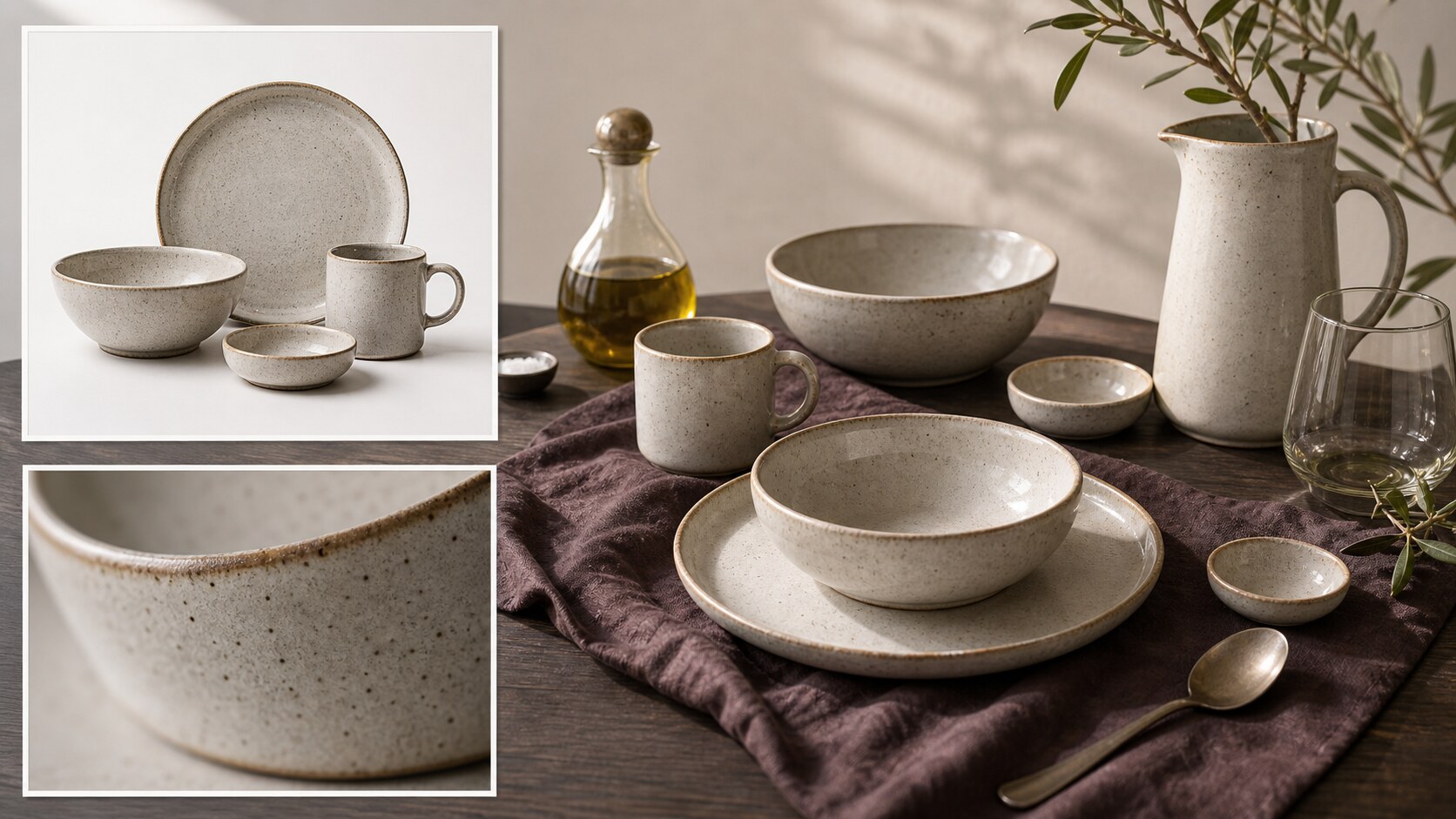
Fashion Production
Category
Ecommerce Imagery
Date
Author
The Studio

On-model imagery is no longer reserved for brands with casting budgets, studio holds, and reshoot weeks. The right creative agent can turn product shots into campaign-ready model imagery that still feels specific, useful, and sellable.
On-model imagery is no longer reserved for brands with casting budgets, studio holds, and reshoot weeks. The right creative agent can turn product shots into campaign-ready model imagery that still feels specific, useful, and sellable.
The product has to lead. A structured blazer needs shoulder clarity. A linen camp shirt needs movement through the hem and sleeve. A bag needs strap drop, scale, and how it sits against the body. Modio treats the garment like a brief before it treats the image like a scene: fit, drape, texture, proportion, styling range, and the customer question the image needs to answer.
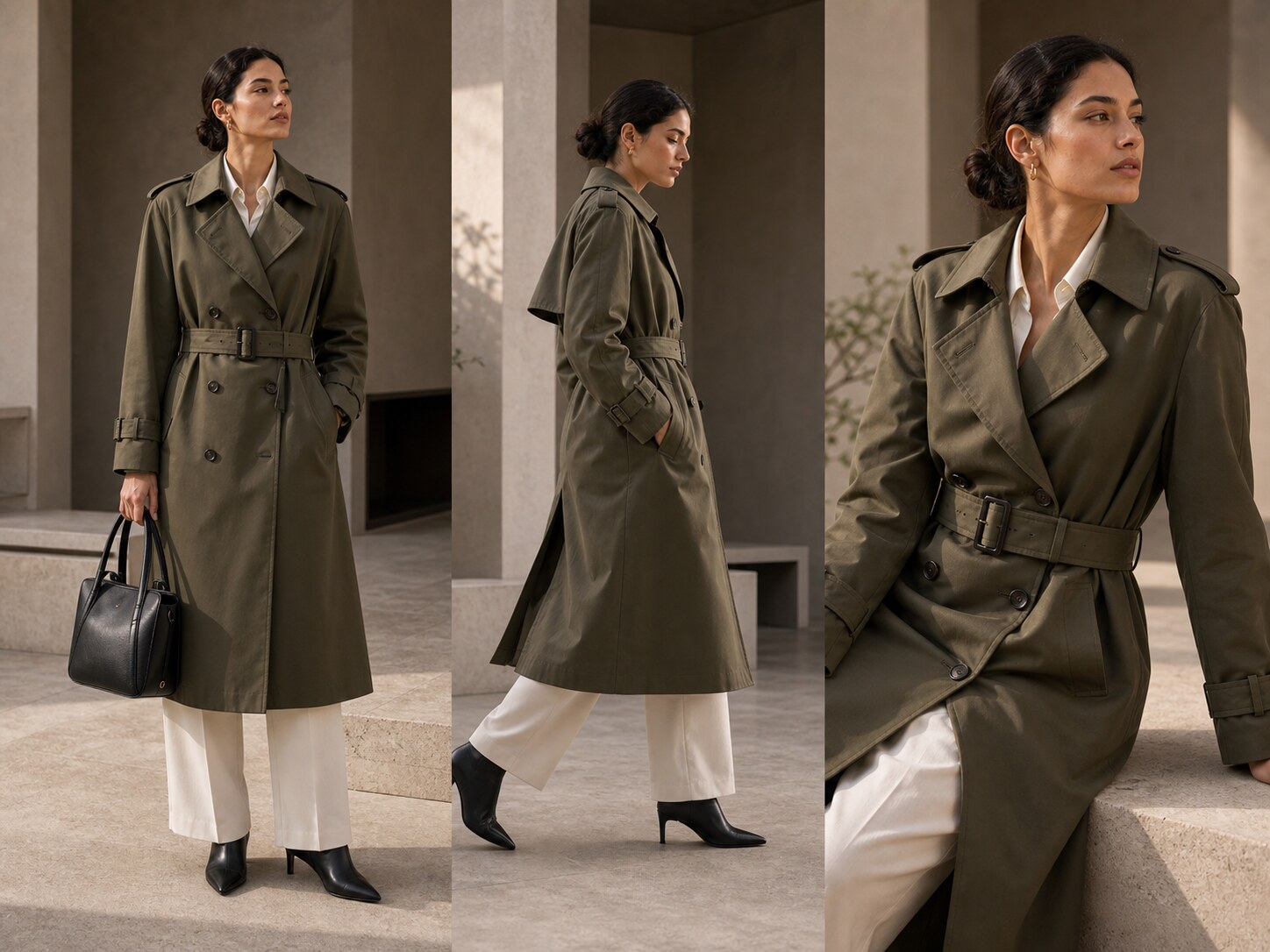
One beautiful image is not enough for commerce. The PDP needs fit clarity. The collection page needs a hero. Paid social needs a crop with immediate read. Email needs a frame with room to breathe. The same product should become a small system of final outputs, not one lucky image. That is where a creative agent earns its place: it holds the set together.
The weak version of on-model AI is generic: the same beige wall, the same anonymous model, the same over-smoothed skin. The useful version feels like the brand. A Cairo resort label, a Copenhagen knitwear brand, and a Brooklyn bag studio should not be cast, lit, or framed the same way. Realism is table stakes. Taste is the work.
The advantage is controlled variation. A brand can test a dress on different body types, adapt a campaign for different regions, or produce paid social variants without restaging the entire shoot. The product must stay honest: seams, hems, color, shape, and scale cannot drift. Variation should expand the sales surface, not invent a new product.
Modio is a neo-production house run by a creative agent. For a fashion brand, that might mean turning flat product shots into a tight PDP sequence with consistent model presence. For a beauty brand, it may mean hand, face, and body crops that make scale and finish feel premium. The agent makes the call: not every product needs a full-body image, and not every crop should pretend to be editorial.
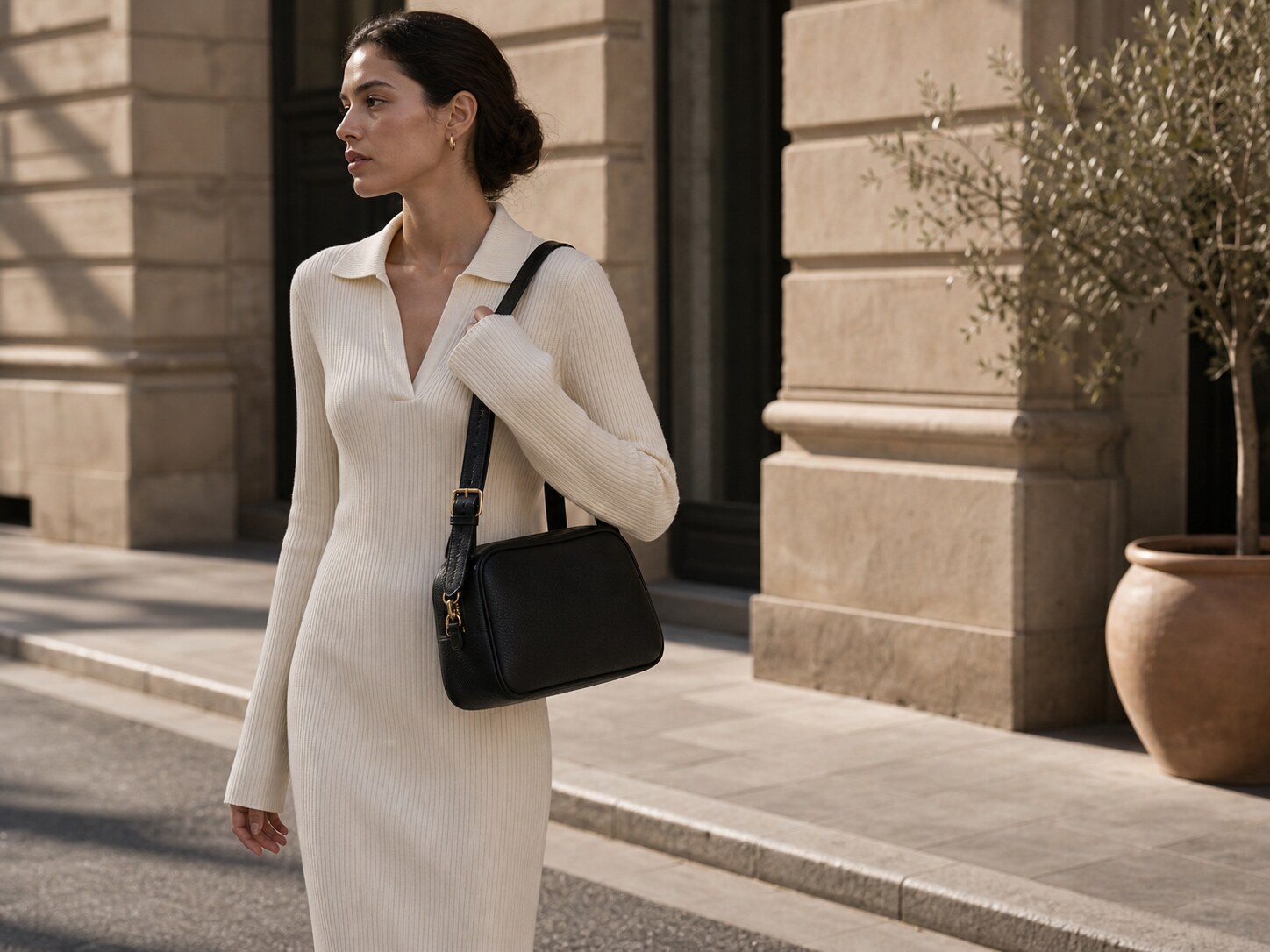
The audience for Modio is not looking for a novelty image. They are looking for publishable brand assets: product pages that convert, campaigns that feel specific, lookbooks that sell a collection, and market adaptations that do not require another shoot. The right output should look like something a serious fashion, beauty, home, or lifestyle brand would actually use.
Modio exists to make that production standard accessible: final images with taste, product truth, and commercial purpose, delivered without forcing every visual problem through the old studio stack.
Start with the cleanest product reference you have. A flat-lay is enough for simple items, but a ghost mannequin or clean front/back product image gives the agent more product truth. Define the customer before defining the model: age range, market, body language, styling confidence, and the kind of environment that would make the product feel native. Then ask for a set, not a single image.
A strong first set includes a full-body ecommerce frame, a closer crop showing fit and fabric, a lifestyle image that gives the product a world, and a paid-social crop with stronger gesture. Review the set as a buyer would: does the product look accurate, does the body make the size and fit clearer, and does the image feel like it belongs to the brand?
Avoid images that make the model more important than the product. Avoid dramatic poses that hide sleeve length, waist, hem, or strap drop. Avoid over-polished skin and fashion clichés that could belong to any brand. Most of all, avoid product drift. If a button moves, a print changes, a hem becomes longer, or a bag loses structure, the image is not ready.
No. Use a real model when fit, movement, known talent, or physical performance is the point. Use Modio when you need publishable on-model coverage, variants, and campaign-ready assets without rebuilding production around every SKU.
Structured garments, bags, shoes, accessories, beauty-in-use crops, lifestyle goods, and products with clear silhouettes work best. Complex sheer layers, heavy embellishment, or highly technical fit need stricter review.
The image must answer fit, scale, material, and desire. If it only looks impressive, it is not enough. A conversion-ready image reduces uncertainty and makes the product feel worth its price.

The Studio
Modio
Share this post